
Our Articles


Blog

Published on April 23, 2025
A washer that won’t spin or a dryer that stops heating is frustrating, especially on a busy Sacramento morning. The good news is that most LG washer & dryer repair issues come down to a handful of common causes like drainage problems, clogged vents, worn belts, or simple sensor faults that can often be diagnosed quickly.
LG washers and dryers usually stop working because of drainage problems, clogged vents, worn belts, faulty door switches, or control board issues. Many of these are easy to spot with simple checks. Some do need a pro to fix safely.
Here's what this guide covers of Fair Appliance Repair Service. Read the section that matches your problem and you'll know exactly what to do next.
Most appliances give you warning signs before they fully break down. Catching these early saves you money and avoids a bigger repair later.
● Washer not spinning or stopping mid-cycle
● Water not draining after the wash is done
● Shaking or vibrating loudly during spin
● Water leaking from the bottom or door
● Error codes flashing on the display panel
●Control panel buttons not responding
● Clothes still damp after a full cycle
● Dryer running but producing no heat
● Burning smell during operation
● Drum not turning when the dryer is on
● Dryer shutting off before the cycle ends
● Louder than usual noise while running
This is one of the most common calls we get. In many cases, the fix is simple.
Most likely causes:
● Unbalanced load shifting to one side
● Lid switch or door latch not engaging
● Drive belt worn out or snapped
● Drain pump clogged, preventing spin
●Motor coupling worn out over time
Before you call anyone, try redistributing the clothes evenly and running the cycle again. If the washer still won't spin, the belt or lid switch likely needs replacing and Troubleshooting guides.
Standing water left in the drum after a wash almost always points to a drain issue. Here's what to check:
● Kinked or clogged drain hose behind the machine
● Blocked pump filter (usually at the front bottom)
● Faulty drain pump that's lost power
● Control board error triggering a stop
Clean the pump filter first. It's free, takes five minutes, and fixes the problem more often than you'd think.
A leaking washer can damage your floor fast. Find the source before the next wash.
● Cracked or loose inlet hose at the back
● Worn or torn door seal (front-loaders)
● Drain pump seal leaking underneath
● Overloaded drum pushing water past the seal
Check the door gasket closely for cracks or debris. Hard water in Sacramento-area homes can cause the seal to degrade faster than usual.
● Check the circuit breaker first
● Make sure the door is fully closed and latched
● Try unplugging for 60 seconds to reset
● Control panel may have a faulty board
● Broken timer preventing the cycle from starting
A washer that walks across the floor isn't just annoying. It can loosen hose connections over time.
●Uneven floor or unlevel machine legs
● Overloaded drum causing imbalance
● Worn shock absorbers or drum bearings
● Transit bolts left in after installation
● Door latch failing mid-cycle
● Control board triggering a fault stop
● Water supply pressure too low
● Motor overheating and shutting itself off
● Kinked inlet hose restricting flow
●Clogged inlet filter (easy to clean)
●Faulty water inlet valve
●Low water pressure in your home supply
●Broken drive belt (most common cause)
●Worn drum bearing creating friction
●Foreign object lodged between drum and tub
●Motor failure preventing any drum movement
This one's a maintenance fix. It doesn't usually mean something is broken, just overdue for a clean.
● Mold or mildew buildup inside the drum
● Dirty door gasket trapping moisture
● Too much detergent leaving residue
●Leaving wet clothes in the drum too long
Run a hot wash with a cup of white vinegar, then leave the door open between washes. This fixes the smell in most cases.
● Try a hard reset (unplug for 60 seconds)
● Check for water damage near the panel
● Loose wiring connection behind the panel
●Faulty control board needing replacement
A dryer that runs but produces no heat is the number one dryer complaint we hear. Most of the time, the cause is one of these:
● Blown thermal fuse (single most common cause)
● Broken heating element
● Faulty thermostat not signaling the heater
● Gas supply issue on gas dryers
The thermal fuse is a safety device. Once it blows, it doesn't reset. It needs to be replaced. A technician can test it in minutes.
If your clothes are taking two cycles to dry, the dryer vent is almost always the problem.
● Clogged dryer vent duct (check outside exhaust)
● Blocked or dirty lint filter
● Kinked vent hose reducing airflow
● Dryer overloaded, limiting hot air circulation
Sacramento summers push dryers hard. Cleaning your vent duct once a year is one of the best things you can do for your home.
● Thumping sound: worn drum rollers
● Squealing or squeaking: drive belt needs replacing
●Rattling: loose blower wheel
● Grinding: drum bearing worn out
●Clicking: foreign object in the drum
● Broken drive belt (most likely)
● Worn idler pulley losing tension
● Drum roller failure
● Motor failure preventing movement
An overheating dryer is worth taking seriously. It's a fire risk if the vent is blocked.
● Clogged vent duct trapping hot air
● Blocked lint filter restricting airflow
● Faulty cycling thermostat not regulating heat
● Defective high-limit thermostat
If your dryer feels very hot to the touch on the outside, stop using it and check the vent first.
A burning smell needs attention right away. Stop the dryer and check these:
● Lint buildup near the heating element
● Worn drum seal rubbing on metal
● Foreign object (coin, button) inside the drum
● Blocked vent causing overheating
A clogged vent is easy to miss. Here's how to tell:
● Clothes take more than one cycle to fully dry
● Dryer feels hot on the outside surface
● Burning smell during operation
● Visible lint around the outside vent flap
● Laundry room feels more humid than usual
● Faulty timer motor not advancing
● Control board issue preventing timing
● Defective cycling thermostat affecting timer
● Wiring connection loose behind the panel
Error codes are your appliance's way of telling you what's wrong. Here's what the most common LG codes mean and what to do next.
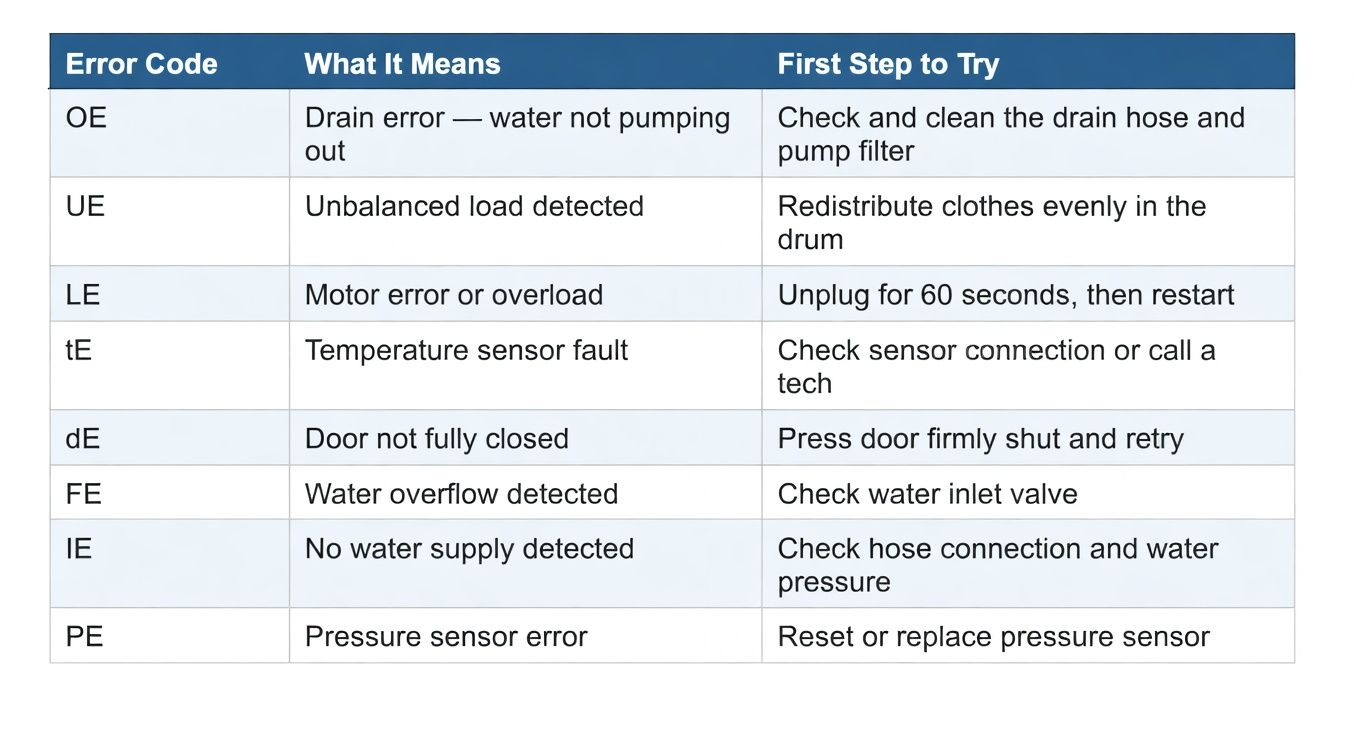
Before you pick up the phone, run through this quick checklist. These simple steps fix the problem more often than you'd expect.
1.Check the circuit breaker. A tripped breaker is easy to miss.
2. Unplug the appliance for 60 seconds. A reset clears many error codes.
3. Clean the lint filter. A blocked filter cuts airflow and causes heating issues.
4. Inspect the drain hose for kinks or blockages.
5. Redistribute the load evenly. An unbalanced drum stops the spin cycle.
6. Check the outside dryer vent flap. It should open freely when the dryer is running.
If none of these steps fix the issue, it's time to call a technician. DIY is great for simple fixes. Electrical faults and motor problems are a different story.
Nobody likes not knowing what a repair will cost. Here are honest ballpark numbers for Sacramento-area appliance repairs so you know what to expect.
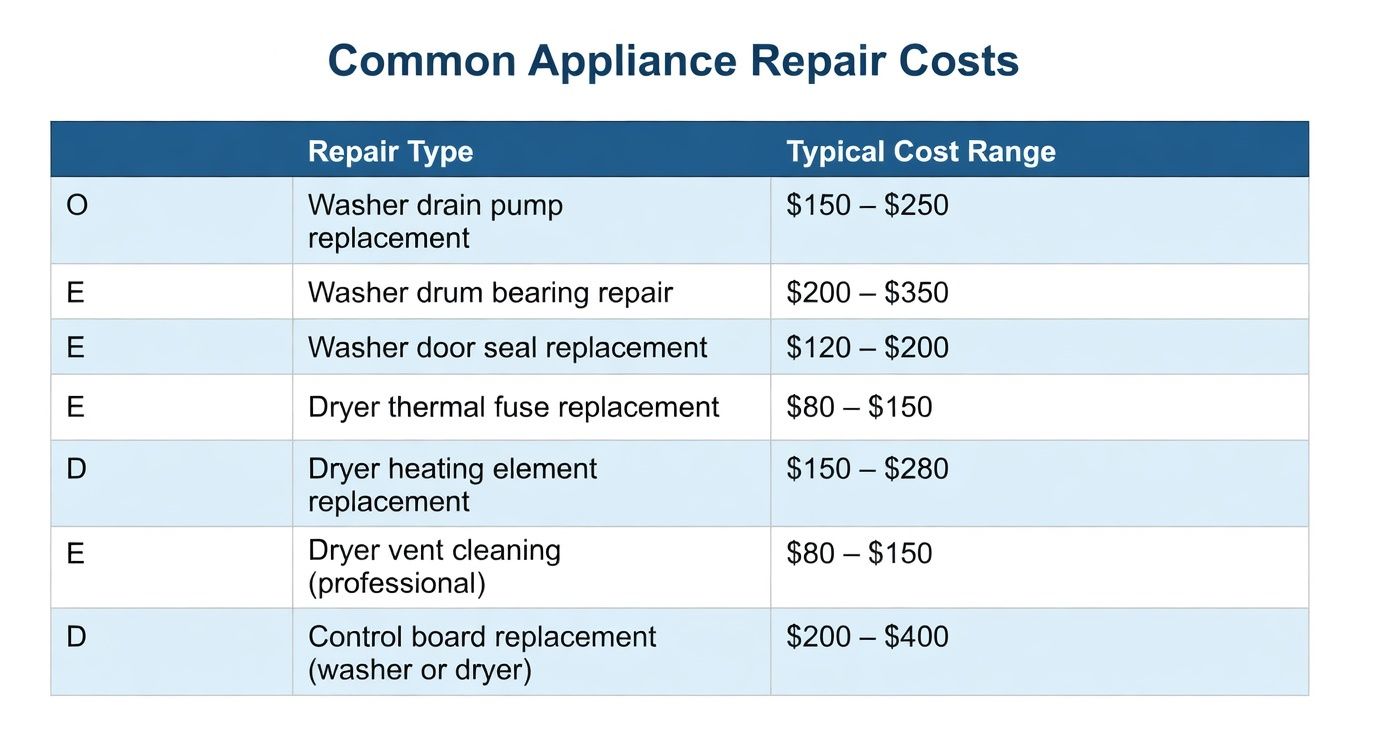
These are estimates. The exact number depends on your model, parts availability, and what we find on-site. We always give you a written quote before any work starts.
Some problems are not worth trying to fix yourself. Stop and call a technician if you notice any of these:
● Any burning smell coming from the machine
● Grinding or loud metal-on-metal noise
● Water leaking near electrical components
● Error codes that return immediately after a reset
● Washer not spinning after balancing the load and checking the belt
● Dryer still not heating after you've cleaned the vent and lint filter
Electrical issues and gas dryer problems especially need a licensed pro. These aren't risks worth taking.
Here's a simple way to think about it. If the repair costs less than half the price of a new machine and the appliance is under 8 years old, repair almost always makes sense.
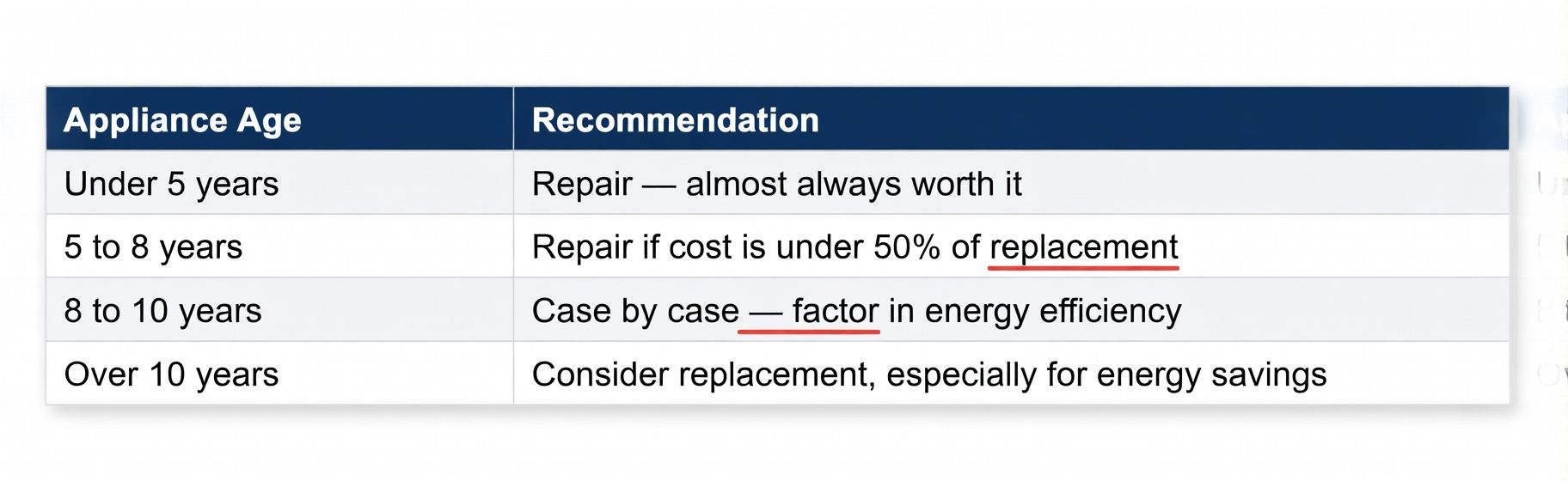
LG makes solid machines. Most last 10 to 15 years with normal use. One repair in that window is usually a better investment than buying new.
A correct diagnosis on the first visit saves you from paying for parts that don't fix the actual problem. Here's what a good appliance repair tech brings to the job:
● Proper diagnosis with the right tools, not guessing
● Genuine or OEM-compatible LG replacement parts
● Safety handling for electrical and gas components
● Warranty on parts and labor after the repair
● Knowledge of Sacramento-area water and power conditions
Sayed Sajadi has been fixing appliances in Sacramento for over 10 years. He holds California License #48671 and EPA certification, and his team has completed more than 4,000 repairs across the area.
Every job comes with a written estimate before any work starts. No surprises. No pressure.
We serve Sacramento, Natomas, Elk Grove, Roseville, Rocklin, Citrus Heights, and Folsom. Same-day visits are available across most of these areas.
Call us at (916) 333-8388 or book online. If you'd rather troubleshoot first, we're happy to walk you through it over the phone.
Not sure what to expect? Here's exactly how a typical repair visit goes:
● We inspect the appliance and ask about what you've noticed.
● We run diagnostic tests to confirm the fault.
● We explain what we found in plain English, no jargon.
● We give you a written estimate before touching anything.
● With your approval, we complete the repair on-site.
● We test the appliance before we leave to make sure everything is working.
Some appliance problems can't wait. If your washer is flooding the laundry room or your dryer smells like it's burning, that's an emergency.
We offer same-day emergency repair visits across Sacramento (ZIP 95835 and surrounding areas) including Natomas, Elk Grove, Roseville, and Rocklin. Call (916) 333-8388 and we'll get someone to you fast.
In the meantime, shut off the water supply to a leaking washer. If you smell burning from the dryer, unplug it and don't use it until a technician checks it out.
Most appliance breakdowns are preventable. These simple habits will add years to your LG washer and dryer.
● Washer Maintenance Tips
● Run a hot drum clean cycle once a month
● Leave the door open after each wash to prevent mold
I● nspect inlet hoses for cracks every 12 months
● Don't overload. It stresses the motor and bearings.
● Use the right detergent type and amount for your model
● Dryer Maintenance Tips
● Clean the lint filter after every single load
● Clean the vent duct from outside once a year
● Check the vent hose behind the dryer for kinks
● Don't overload the drum. It blocks airflow.
● Keep the area around the dryer clear for ventilation
A small problem in a washer or dryer almost always becomes a bigger one if you ignore it. The good news is that most LG appliance faults have clear causes and straightforward fixes.
Try the simple checks first. Reset the machine, clean the lint filter, check the drain hose. If those don't work, the error code table and problem sections above will help you narrow it down.
When you need a pro, we're here. Give us a call at (916) 333-8388 contact us or book a same-day visit online. We cover Sacramento, Elk Grove, Roseville, Rocklin, and the surrounding areas.
Sacramento, CA
+1 916-333-8388
The most common causes are an unbalanced load, a worn drive belt, or a faulty lid switch. Try redistributing the clothes first. If the washer still won't spin, the belt or switch likely needs replacing.
A blown thermal fuse is the most likely cause. Once it blows, it won't reset on its own. A technician can test and replace it quickly. A broken heating element is the next most common cause.
A clogged dryer vent or blocked lint filter is almost always the reason. Clean the lint filter and check the outside vent flap. If airflow is restricted, cleaning the vent duct usually solves it.
You can check and clean the drain hose and pump filter yourself. Both are accessible without tools on most LG models. If the drain pump itself is faulty, a technician is the safer option.
Most LG washer repairs in Sacramento run between $150 and $350 depending on the fault. Control board replacements cost more, typically $200 to $400 with labor. We give you the exact number before any work starts.
With regular maintenance, LG washers and dryers typically last 10 to 15 years. Cleaning the lint filter, not overloading, and checking hoses annually are the habits that make the biggest difference.
Usually yes, if the machine is under 8 years old and the repair costs less than half the price of a new one. LG appliances are built to last, and one repair in 10 to 15 years is a good deal compared to buying new.
OE means the washer has a drain error. It's not pumping water out properly. Check the drain hose for kinks and clean the pump filter. If the error keeps coming back, the drain pump may need replacing.


