
Our Articles


Blog

Published on June 19, 2025
A range hood is an essential part of any kitchen, helping to remove smoke, steam, odors, and grease. But what happens when it stops venting properly? Whether it’s weak airflow, a strange noise, or the range hood just not doing its job, it’s a problem you want to fix as soon as possible. Let’s walk through the common causes and simple solutions to restore your range hood’s functionality, ensuring a fresh, clean kitchen air environment once again.
Proper ventilation is key to maintaining air quality, reducing humidity, and eliminating unwanted odors in the kitchen. A range hood does more than just suck up smoke; it filters out grease particles, humidity, and cooking heat. Without a functioning range hood, your kitchen can quickly become uncomfortable, greasy, and unpleasantly smelly.
A range hood also helps prevent grease buildup in your kitchen, which can be a fire hazard if not properly vented. So, when your range hood isn’t venting properly, it's not just an inconvenience; it’s a safety concern.
Before diving into fixes, let's identify the signs that your range hood isn't venting properly.
The most obvious sign of a malfunctioning range hood is weak suction or no airflow. This typically indicates that your fan, motor, or ductwork has become clogged with grease and debris.
If smoke or steam from cooking lingers in your kitchen longer than it should, your range hood is not functioning at its optimal capacity. This means the hood is struggling to draw air effectively from your cooking surface.
Weak airflow is a clear indicator that your range hood is having difficulty with proper ventilation and air circulation. Additionally, if you notice unusual or strange noises coming from the motor or fan, it suggests the fan is struggling to operate correctly.
Understanding the underlying issues that could cause a range hood to stop venting properly can help you diagnose the problem and find an effective solution.
Filters are the first line of defence against airborne grease, dirt, and particles. Over time, grease and grime accumulate in the filters, potentially clogging them and preventing proper airflow. Regularly clean the filters every 1 to 3 months, depending on your cooking frequency, to keep your range hood running efficiently. If your filters are too clogged to clean effectively, consider replacing them with new ones to restore proper airflow.
Ductwork is the channel through which air moves from your kitchen to the outside. If your ducts are blocked or clogged, air won't flow out effectively, reducing your range hood's performance. Common culprits include grease buildup, small animal nests, or debris blocking the ducts. Inspect the ducts for obstructions and carefully remove any blockages that impede airflow. If you have long or complex ductwork, it might be worth hiring a professional to properly inspect and clean the ducts.
The motor in your range hood generates the suction needed to pull air into the vent system. If the motor malfunctions, suction will decrease or stop altogether, leaving your kitchen filled with smoke and odours. If the motor is damaged or the fan isn't spinning properly, the motor might need to be repaired or replaced by a professional. Motors are not something you can usually fix yourself, so it's a good idea to call in an expert if you suspect this is the issue.
The vent cap is the final point in the ventilation system, allowing air to escape outside your home. It's common for debris, birds' nests, or leaves to block the vent cap, especially if it's located outdoors or in areas exposed to the elements. Check the vent cap for any visible blockages, and carefully clear away debris. Ensure that the flapper opens and closes properly to allow air to flow freely. If the vent cap is damaged or broken, you might need to replace it to restore full ventilation.
If you’ve identified the cause of your range hood issue, it’s time to take action. Here’s how you can resolve common range hood vent problems:
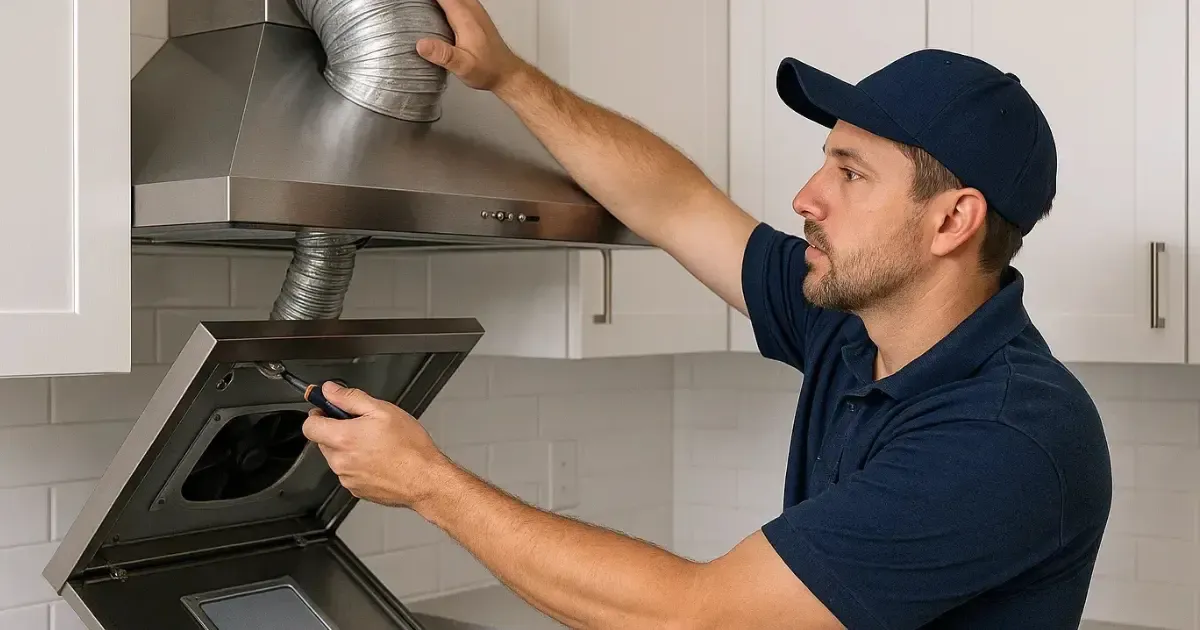
•Turn off the power: Before you do anything, make sure the range hood is turned off to avoid electrical hazards.
•Remove and clean filters: Wash the grease filters with hot, soapy water. For stubborn grease, use a degreaser to remove the buildup.
•Check the ductwork: Inspect the duct for any blockages. If you find something, carefully remove it. Consider using a long-bristled brush or a vacuum to clean the ducts.
•Inspect the fan and motor: If the fan is spinning slowly or making strange noises, check the motor. If it’s malfunctioning, it may need to be repaired or replaced.
If the suction is weak or nonexistent, the first thing to check is the filters to ensure they are not clogged with grease and debris. If cleaning the filters doesn't help restore proper suction, move on to checking the ductwork for obstructions or damage that might be restricting airflow. If both the filters and ductwork are clear and functioning properly, the issue may lie with the motor, which might require professional repair or replacement.
Cleaning filters and inspecting ducts can be done on your own with basic tools and a bit of time investment. However, if you're dealing with motor or fan problems that require electrical work or technical expertise, it's best to call a professional to avoid causing further damage or safety hazards.
Once you’ve fixed your range hood, it’s important to maintain it regularly to prevent future problems.
•Regular Maintenance Tips to Keep Your Range Hood Working.
•Clean the filters regularly to prevent grease buildup.
•Inspect the ductwork annually to ensure there are no blockages or damage.
•Check the motor and fan periodically to ensure they’re working properly.
•How to Ensure Proper Airflow and Prevent Clogging.
•Keep the ducts as short and straight as possible to minimize resistance.
•Use the right size ducting (6-inch ducts are preferred for optimal airflow).
•Regular cleaning is the best way to keep the airflow smooth.
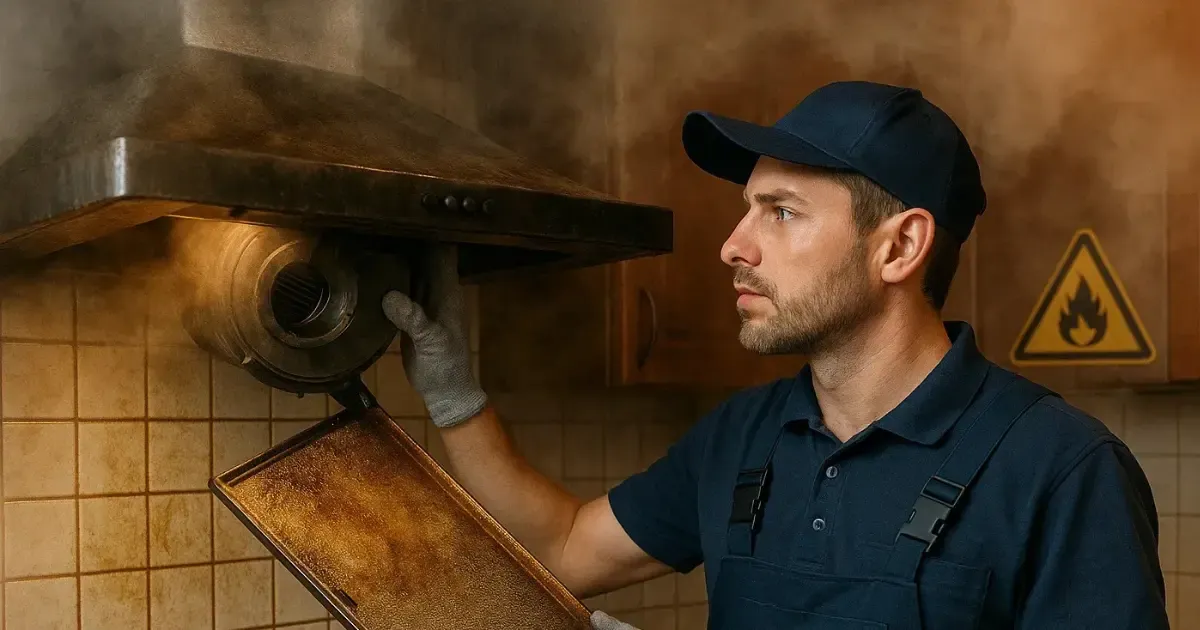
Depending on your usage, aim to clean your filters every 1-3 months. If you cook greasy foods often, you may need to clean them more frequently.
While some range hood issues can be fixed with a little DIY, there are times when it’s best to call in a professional.
If the motor is faulty, electrical issues arise, or the problem persists after cleaning filters and ducts, it’s time to call an expert.
•Persistent weak suction, loud or unusual motor noises, or foul odors are all signs that a professional should take a look. Watch for these specific indicators:
•Persistent weak suction that doesn't improve after cleaning filters and ducts.
•Loud or strange noises coming from the motor or fan.
•Bad odors that linger even after cleaning.
•Electrical issues or a burnt smell from the unit.
•Visible damage to the motor or wiring.
Maintaining a properly functioning range hood is essential to ensuring a safe, healthy cooking environment in your kitchen. Beyond just convenience, a well-maintained range hood protects your family from smoke inhalation, prevents grease buildup that can become a fire hazard, and keeps your kitchen air fresh and clean. By dedicating time to regular maintenance; cleaning filters every one to three months and inspecting the ducts annually you can avoid many of the common problems that affect ventilation performance. If you encounter issues that persist after your own troubleshooting efforts, don't hesitate to call a professional to restore your range hood to full performance and ensure optimal safety in your cooking space.

Fair Appliance Repair Service is a trusted provider for range hood repair in Sacramento. Our experienced technicians can quickly diagnose and range hoos issues and other appliance issues. Here are a few reasons to choose our service:
•Experienced Technicians: We have years of experience repairing.
•Affordable Prices: We offer competitive pricing on all repairs without compromising on quality.
•Fast, Reliable Service: Our team acts quickly to fix the problem and get your appliance running again.
•Trusted by Locals: Fair Appliance Repair Service is known in Sacramento for high-quality, reliable repair services.
We proudly serve Elk Grove, Citrus Heights, West Sacramento, and more areas. Whether you live near Sacramento or in Natomas, we are always just a call away. Call now: +1 916-333-8388 or Schedule Online!
It could be due to clogged filters, damaged ducts, or a malfunctioning motor. Regular cleaning and maintenance can prevent this.
Weak suction, lingering smoke, and strange noises are all signs of a clogged vent. Check your filters and ducts for blockages.
Yes, grease and dirt can clog the filter, reducing airflow. Clean or replace filters regularly to ensure proper ventilation.
Strange noises may indicate that the motor or fan blades are damaged. You may need to repair or replace the motor.
If you experience persistent issues after cleaning or if the motor or wiring is damaged, it’s time to call a professional for repairs.


