
Our Articles


Blog

Published on October 29, 2025
That pile of damp laundry mocking you from the basket? The mysterious grinding noise echoing through your house? Your dryer isn't just damaged, it's costing you money and threatening your safety. Every year, 15,500 American homes catch fire from dryer-related causes, primarily lint buildup and clogged vents. That harmless squeaking you've ignored? It's a worn drum roller approaching catastrophic failure, turning a $150 fix into a $500 emergency. Your struggling dryer also inflates energy bills by 25-40% annually. Most breakdowns give advance warning, extended drying times, unusual sounds, and burning smells. This guide explains why your dryer is making noise and how to stop the unusual noise.
The most common cause of squeaking or squealing is worn drum support rollers that support the drum's weight as it turns. When these rollers become lubricated or flatten over time, they produce a high-pitched squeal. A worn idler pulley that keeps tension on the drive belt may also make a similar sound. Squeaky drive belts could also be frayed or glazed, causing them to slip during rotation.
Grinding noises are more severe and usually indicate worn drum bearings or damaged drum glides. Drum glides are plastic or nylon supports that prevent the drum from rubbing directly against the cabinet. When they wear down or break, the metal drum can scrape against the dryer frame. In some cases, the drum may shift out of alignment and rub the cabinet due to excessive wear or a dropped support.
Rumbling noises are usually associated with issues regarding the blower wheels. An off-balance or loose blower wheel produces a low vibrating sound during use. The accumulation of lint inside the blower housing may also limit airflow and cause the wheel to wobble, resulting in an incessant rumbling that intensifies over time. Early resolution of such noises prevents secondary damage and restores the dryer's silence and effective functioning.
Rattling noises are usually caused by little objects such as coins, buttons, or zippers bouncing about inside the drum or getting stuck in the blower wheel; a loose blower wheel (which has been knocked off or is vibrating on its attachment); or by vibrating external screws and panels that have become loose over the years. Whilst rattling can be safely removed by shaking, a loose blower wheel must be dealt with immediately because it affects airflow and may cause damage to adjacent parts.
Squealing or grinding at a high pitch is usually due to worn-out rear drum bearings that bind on rotation or to plastic glides/pads that erode, allowing metal-on-metal contact. When disconnected to power, the drum may only be turned by hand gritty, scraping, or not spinning straight indicates the need of replacement. Repair with complete maintenance kits that include bearings, glides, and lubricant to ensure a balanced repair.
Loose or broken internal drum baffles (fins that pick up clothes) make a clunk or rattle like coins falling together, particularly when they catch the edges of fabric or small objects. Look in with the drum hole to check any wobbling/lacking fins; fix loose ones or repair broken parts to get rid of the noise and get the tumbling effect going again.
A shrill screech from the motor area indicates failing rear bearings; lubricating them successfully is rare; full motor replacement is typically needed. This progresses from intermittent squeals to constant grinding; test by running empty cycles and listening at the bottom rear.
New belts/rollers thumping during break-in or snaps that are ice-like on some heating cycles are normal. Constant loud scraping, metallic grinding or screeching is a sign of component failure - not to be overlooked as wear. The squeaks at an early stage can be remedied cheaply; at the end stage, the drum and the cabinet may be damaged by grinding.
The Samsung dryers experience sensor corrosion, leading to incorrect drying and vibration; brushes are contacted once a year. LG models have loose motor pulleys, resulting in belt slip; check tension. To avoid squealing, whirlpool units should be glide waxed after 2-3 years, and a high-temperature lubricant when maintaining.
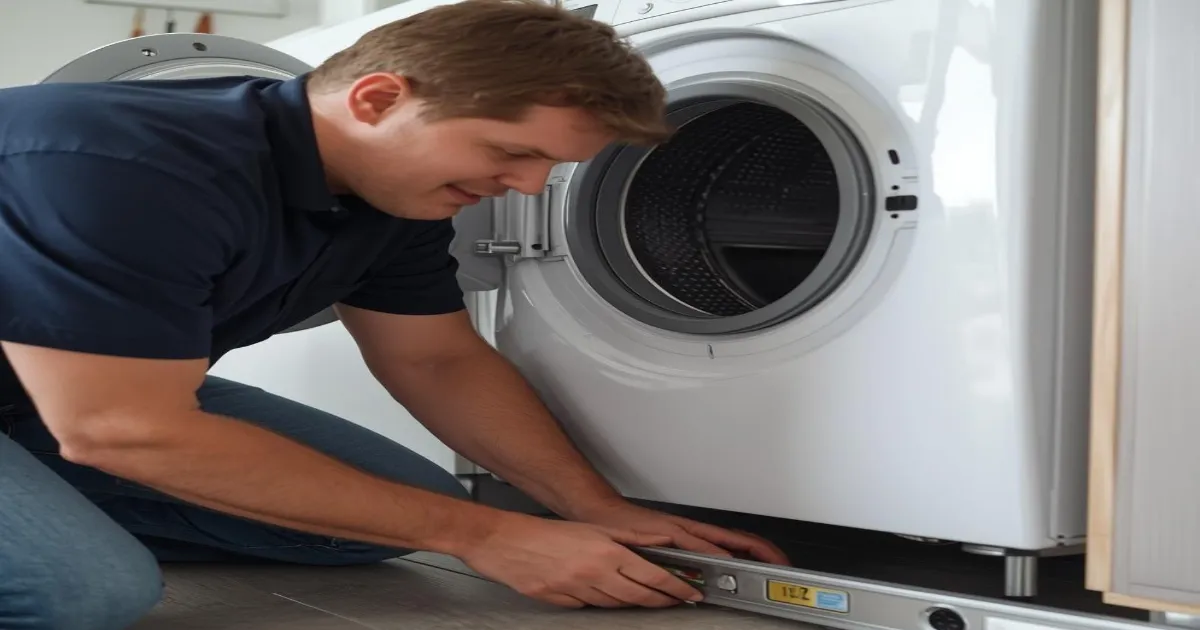
The second thing is to ensure the dryer is properly leveled. An uneven dryer will also shake when it's in use that leads to the drum tilting and rubbing against the interior parts. Lay a bubble level on the top of the dryer and bring the front leveling legs up a quarter-turn at a time until the unit it's level.
Bulky goods such as blankets, comforters or shoes will produce unbalanced thumping as they lump up; redistribute uniformly or smaller loads. Strains of bearings/rollers cause all noises to magnify overloading bearings/rollers-load should be 1/2 to 1/3 full.
Nut driver (used on panel screws), putty knife (to loosen front panel), Trox bits (T-15/T-20 on newer models), flashlight and dryer-safe lubricant. It's always better to purchase complete repair kits rather than individual parts to prevent disassembly.
When the noises don't subside after simple cleaning, examine the drum belt for fraying, cracking, or other visible wear that could lead to slipping and thumping sounds. At the same time, look at the drum rollers, the weight of the drum is supported by rollers as it rotates. Old rollers get a flat area or rough surface that produces grinding or rumbling sounds. The two parts wear naturally due to constant friction and heat, and they usually need to be replaced every 5-7 years, depending on use frequency.
The blower wheel is used to force the heated air into your dryer drum and exhaust system and this is essential to ensure a good drying job. A blower wheel obstructed by lint, bits of clothing, or debris becomes very noisy, with loud rumbling or rattling as it attempts to turn freely. Also, a loose blower wheel that has lost its mounting shaft wobbles during operation, producing intermittent thumping sounds, is less efficient at transferring air to the atmosphere, and significantly prolongs drying periods.
Check the four dryer legs by placing a spirit level on them so they lie level on the floor. With an unlevel dryer, the drum will tilt and scrape or grind against the inside of the dryer. By rotating the level feet clockwise or anticlockwise, adjust them till the bubble aligns in the spirit level. This is a quick remedy that removes many of the unwanted sounds caused by vibrations and helps prevent early wear and tear on drum supports.
Inspect the drum prior to diagnosis of intricate mechanical problems by checking it through a comprehensive examination to identify loose change, keys, buttons, zippers or other debris. They usually become trapped between the drum and the housing, or in the blower wheel, producing rattling or clanking noises that resemble severe parts failure. Remove any foreign objects and test the cycle to see if the noises persist.
An exhaust vent blockage causes the blower to work harder, leading to excessive vibration and rumbling. Take off the dryer back and the vent hose then vacuum or clean the vent with a vent cleaning brush. Clear all vent lines to the outside vent, as any restriction in the system will create back pressure that can cause undue strain on the blower assembly/motor.
When your washer and dryer stand next to one another and collide with each other, they can hit one another during the operating cycles, in particular, during the spinning part of the washer. Open up a half-inch between units to remove contact. This distance also enhances the ventilation surrounding the two appliances as well as facilitating ease of maintenance in the future.
Never leave power connected to your dryer without checking it and unplugging it, or flipping the circuit breaker. Electric dryers operate at potentially fatal 240 V. Don't apply WD-40 or household grease to dryer parts; these are extremely flammable when exposed to dryer operating temperatures (150-180°F) and can cause a fire. Use only high-temperature, dryer-endorsed, appliance-endorsed lubricants. During replacement of worn parts, install complete maintenance kits rather than individual parts so that other aging parts can't fail soon. Repair of gas dryers will always involve licensed professionals because explosions are dangerous.
The blower wheel passes heated air in your dryer drum and exhaust system. The blower wheel, which has been obstructed by lint, bits of clothing, or debris, makes the blower very noisy, with loud rumbling or rattling sounds as it attempts to turn freely. A loose blower wheel, which is no longer connected to its mounting shaft, flutters when used, making it sound like it's succeeding thumps at various times, cutting airflow efficiency and increasing drying time by a significant margin.
Understanding your dryer's warning signals makes all the difference. Squeaking noises signal drum rollers or idler pulleys approaching failure, while extended drying times indicate dangerous airflow restrictions that spike energy costs and create fire hazards. Brand-specific issues, such as Samsung's sensor corrosion, LG's lint accumulation, and Whirlpool's heating element burnout, follow patterns professionals recognize instantly. Monthly lint cleaning, quarterly sensor maintenance, and annual vent inspections extend lifespan by five years while eliminating fire risks. Our professional diagnosis achieves 95% first-visit success compared to DIY's 30% failure rate, especially critical for gas models where amateur repairs risk explosions. Timely maintenance protects your family and investment.
Grinding rollers, screeching motors, or dangerous blower issues need expert hands—not risky DIY. Get professional dryer repair service in Sacramento and nearby areas from Fair Appliance Repair Service today.
✅ All brands: Samsung, LG, Whirlpool, Maytag
✅ 95% fixed on first visit
✅ Gas & electric specialists
✅ Emergency same-day service
Call now for fast dryer repair at (916) 333-8388 or schedule online to get same-day service from licensed and certified technicians, don't risk fire hazards or $500+ emergency costs!
A grinding noise usually indicates worn drum support rollers or bearings. These parts wear out over time from constant rotation. Other causes include damaged drum glides or a failing motor. If you hear grinding, stop using the dryer immediately and call a professional to prevent further damage.
Squealing typically comes from a worn or frayed drive belt, worn drum support rollers, or lack of lubrication on moving parts. Sometimes a damaged idler pulley creates this high-pitched sound. The belt may need replacement every 5-7 years depending on usage.
No, continuing to use a noisy dryer can cause more damage and safety hazards. Worn parts can overheat, create sparks, or cause complete breakdowns. Stop using the dryer immediately if you hear grinding, metal-on-metal sounds, or loud thumping. Call a professional technician right away.
Simple fixes like removing objects from the drum or cleaning the lint trap are DIY-friendly. However, replacing internal parts like drum rollers, belts, or bearings requires technical knowledge and tools. Improper repairs can void warranties or create safety hazards. Professional repair is recommended for internal component issues.
50% rule: If repair >50% new dryer cost (~$400 on $800 unit), replace.


